
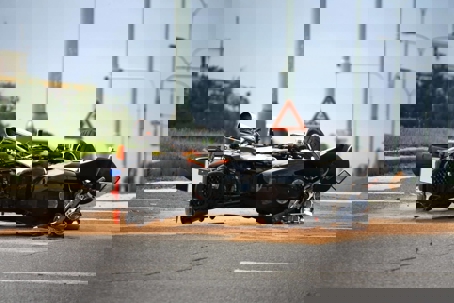
When someone is injured in a motorcycle accident, the financial and physical consequences can be serious. Medical bills, time off work, long-term pain, and damage to the motorcycle are just a few of the issues riders often face. That’s why compensation plays such a major role in these cases. Knowing how it’s determined can help injured riders and their families better understand what to expect and how to prepare.
Evaluating The Damages Involved
The first step in determining compensation is identifying the different types of losses the injured person has experienced. This usually includes both economic and non-economic damages. Economic damages are straightforward and include medical expenses, lost wages, property damage, and any future costs related to ongoing treatment or rehabilitation. Non-economic damages cover pain, emotional stress, and changes in quality of life. These are harder to quantify, but they are just as real.
Looking At Fault And Liability
In most motorcycle accident cases, compensation is linked directly to fault. If the other driver is found to be responsible for causing the crash, their insurance is generally responsible for paying damages. In some situations, both parties may share some degree of fault. States with comparative fault laws allow injured riders to recover compensation even if they were partly to blame, but the total amount may be reduced based on their percentage of responsibility.
Calculating Medical Costs And Lost Income
Medical bills are often the largest financial burden after a crash. Emergency care, surgery, follow-up visits, and physical therapy can add up quickly. Compensation for medical costs typically includes all treatment directly related to the accident, and in some cases, the projected cost of future care. If the injury limits the rider’s ability to work, lost wages and potential future earnings may also be included in the total.
Assessing Non-economic Impacts
Pain and suffering may not come with a bill, but they are still considered when awarding compensation. If the rider has ongoing physical pain, mental stress, or can no longer enjoy the same activities, those losses are factored into the claim. The amount awarded depends on the severity and impact of the injury. These damages aim to address the personal toll of the crash, not just the financial one.
Considering Insurance Limits And Available Coverage
Even if a claim is strong, the final award may depend on available insurance coverage. If the at-fault driver has minimal insurance, the injured rider may need to turn to their own policy for underinsured motorist coverage. In more serious accidents, attorneys often look for all possible sources of compensation, including third parties or other forms of liability.
Attorneys like those at Warner & Fitzmartin – Personal Injury Lawyers can attest to the importance of preparing a clear and thorough case. A skilled motorcycle accident lawyer looks at the full picture, from medical records and police reports to financial projections and witness accounts. With the right approach, injured riders have a better chance of receiving fair compensation and moving forward after the crash.
The post Compensation For Motorcycle Accident Cases appeared first on Antezana & Antezana LLC.