
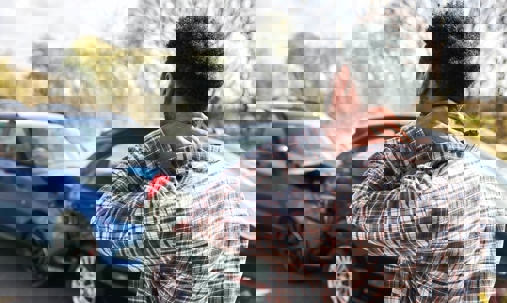
After a car accident, one of the most important things you can do is collect and preserve evidence. It’s a key step that can make a big difference in the outcome of your case. As a law firm with 20 years of experience fighting for justice for personal injury victims, we’ve seen how solid evidence can turn a challenging case into a successful one. Our Germantown, MD car accident lawyer outlines the types of evidence that matter most and how to gather and keep them safe, especially when it comes to determining liability.
Why Evidence Matters In Determining Liability
When it comes to proving liability after an accident, the evidence is everything. Without solid proof, your ability to recover compensation could be significantly impacted. Whether it’s proving the other driver was at fault, showing the extent of your injuries, or identifying damages to your vehicle, evidence helps tell your side of the story in the clearest way possible. The stronger the evidence, the easier it is to establish who is responsible for the crash.
Start Right After The Accident
The moment after an accident is often chaotic, but it’s also the best time to start collecting evidence. Timely action after a crash is essential. If you’re physically able, begin by taking photos of the scene. Capture everything you can: the damage to your car, the surrounding area, road conditions, traffic signs, and any visible injuries. If there are skid marks, debris, or other signs of the accident, document them thoroughly. This type of evidence is often vital in establishing fault. For instance, tire marks can show whether the other driver was speeding or whether road conditions contributed to the crash.
At the same time, try to get contact information from anyone who witnessed the accident. Eyewitness statements can be extremely helpful in backing up your version of events. Don’t forget to exchange information with the other driver(s), including their insurance details, license plate number, and driver’s license. If the police are involved, ask for a copy of the police report. This official document can provide a detailed, impartial account of the scene and play a significant role in determining liability.
Preserving Evidence As Time Passes
It’s also important to preserve evidence for future use. This is where many people fall short. Photographs and videos may seem clear at the time, but memories fade, and evidence can get lost or damaged.
For medical evidence, keep detailed records of all treatment and appointments related to the injuries you sustained in the accident. This includes hospital bills, prescriptions, and any ongoing therapy or rehabilitation you may need. These records can help prove the severity of your injuries and how they are linked to the accident, strengthening your case when determining liability.
If the accident involved significant vehicle damage, don’t delay in getting your car assessed by a professional. A report from an auto body shop can support your claim for property damage. Also, if the car is towed, be sure to document where it was taken and how it’s being stored. Sometimes, the details of vehicle damage can be contested later, so it’s important to maintain proper records. This can be vital when establishing how the accident occurred and which party is liable.
Handling Digital Evidence
Digital evidence is becoming increasingly important. Dashcam footage, phone records, or even surveillance video from nearby buildings or traffic cameras can offer strong support for your case. If you have access to dashcam footage, make sure it’s saved immediately. This type of evidence can provide a clear view of the events leading up to the accident and help determine who was at fault.
In some cases, social media posts or online activity can also play a role. For example, if the other driver posted something that suggests fault or negligence, it could be valuable evidence. That said, it’s best to avoid posting about the accident or your injuries on social media until your case is resolved. Anything you share online can potentially be used against you.
Working With A Lawyer To Preserve Evidence
After an accident, you might feel overwhelmed by the idea of collecting and preserving evidence, especially while dealing with your injuries and other stressors. That’s where we come in. As experienced car accident lawyers, we can help you identify the types of evidence that matter and assist in making sure that it’s preserved in a way that’s useful for your case. Strong evidence will help us prove who is liable so that you receive the compensation you deserve.
The Impact Of Solid Evidence On Your Case
Collecting and preserving evidence after a car accident may seem overwhelming, but it’s one of the most important steps you can take to protect your rights and determine liability. From the moment the accident occurs, every photo, report, and piece of information matters. If you’ve been involved in a car accident and need help gathering or safeguarding evidence, Antezana & Antezana LLC is here to help. Since 2001, our firm has focused on getting personal injury victims in Maryland the maximum allowable amount of monetary compensation for their injuries.With our experience and support, you can focus on recovering while we handle the legal side of things. Learn about your options for pursuing legal action. Call now to schedule a free consultation.
The post Collecting And Preserving Evidence After A Crash appeared first on Antezana & Antezana LLC.