
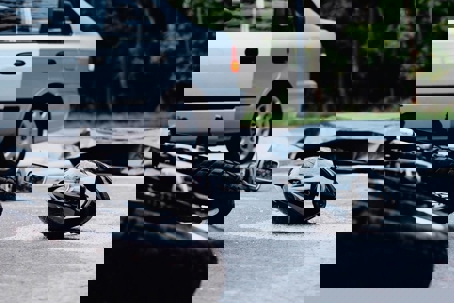
A drunk driver just caused an accident that left you with serious injuries. The driver was arrested at the scene, and you’re dealing with mounting medical bills, a totaled vehicle, and time off work. You naturally assume you’ll file a claim against the drunk driver’s insurance, but that might only be the beginning of your legal options.
Drunk driving cases differ from typical car accidents because of the driver’s intentional decision to drive while intoxicated. This reckless choice opens additional avenues for compensation that don’t exist in ordinary negligence cases. Our friends at Pavlack Law, LLC discuss how drunk driving victims often have claims against multiple parties beyond just the impaired driver. A motorcycle accident lawyer who handles DUI accident cases knows how to identify all potential sources of compensation and pursue the maximum recovery available under your state’s laws.
The Standard Negligence Claim
Your primary claim is against the drunk driver for negligence causing your injuries. This works like any car accident claim. You prove the driver was at fault, that their negligence caused the collision, and that you suffered damages as a result.
The difference is that proving fault becomes much easier when the other driver was intoxicated. Their blood alcohol content above the legal limit of 0.08% establishes negligence per se in most states. This means the law considers driving while intoxicated automatically negligent, without requiring additional proof that their driving was unreasonable.
The driver’s insurance policy should cover your medical expenses, lost wages, property damage, and pain and suffering up to the policy limits. However, many drunk drivers carry only minimum liability coverage, which might be $25,000, $50,000, or $100,000 depending on your state’s requirements. If your damages exceed these limits, you need to look beyond the driver’s basic insurance coverage.
Punitive Damages For Willful Misconduct
Unlike regular car accidents, drunk driving cases often qualify for punitive damages. These damages aren’t meant to compensate you for actual losses. They’re designed to punish the drunk driver for egregiously reckless behavior and deter others from driving while intoxicated.
According to National Highway Traffic Safety Administration data, drunk driving remains a persistent public safety problem despite decades of awareness campaigns and legal consequences. Courts recognize that drunk driving is a conscious choice that endangers innocent people, making it appropriate to impose additional financial penalties beyond compensatory damages.
Not every drunk driving case automatically includes punitive damages. Standards vary by state, but generally require proving the driver’s conduct was willful, wanton, or showed reckless disregard for the safety of others. A driver with a very high blood alcohol content, prior DUI convictions, or particularly reckless driving behavior makes a stronger case for punitive damages.
How Punitive Damages Affect Your Recovery
Punitive damages can substantially increase your total compensation. While compensatory damages might total $100,000 for your medical bills, lost income, and pain and suffering, punitive damages could add another $100,000, $200,000, or more depending on the circumstances and your state’s laws.
Some states cap punitive damages at a multiple of compensatory damages, like two or three times the compensatory award. Others have no caps, allowing juries to award whatever amount they deem appropriate to punish the defendant and deter future drunk driving.
The drunk driver’s insurance policy typically doesn’t cover punitive damages. Insurance exists to protect against accidents, not to shield people from punishment for intentional misconduct. This means punitive damage awards come from the drunk driver’s personal assets, making collectability an important consideration.
Dram Shop Liability Claims
Many states have dram shop laws that hold bars, restaurants, and other alcohol-serving establishments liable when they over-serve visibly intoxicated patrons who then cause accidents. These laws recognize that commercial alcohol vendors share responsibility for preventing drunk driving.
Dram shop claims require proving the establishment served alcohol to someone who was already visibly intoxicated or served a minor. Visible intoxication might include slurred speech, difficulty walking, aggressive behavior, or other obvious signs that the person had consumed too much alcohol.
The specific requirements vary significantly by state. Some states make dram shop claims relatively easy to pursue. Others impose strict limitations or have eliminated dram shop liability entirely. Understanding your state’s laws determines whether you can pursue these claims.
Evidence For Dram Shop Claims
Building a dram shop case requires gathering evidence about where the drunk driver was drinking and how much they consumed. Useful evidence includes:
- Credit card receipts showing purchases at the establishment
- Testimony from other patrons who witnessed the driver’s intoxication
- Bar staff statements about how many drinks were served
- Surveillance footage from the establishment
- The driver’s admission about where they were drinking
- Expert testimony about how the driver’s blood alcohol level corresponds to drinks consumed
Establishments often fight these claims aggressively because liability can damage their reputation and increase insurance costs. They’ll argue the driver didn’t appear intoxicated, or that they served responsibly and the driver became intoxicated elsewhere.
Social Host Liability
Some states extend liability beyond commercial establishments to social hosts who serve alcohol at private parties or gatherings. If the drunk driver attended a party where the host continued serving them alcohol when they were already visibly intoxicated, you might have a claim against that host.
Social host liability is less common than dram shop liability and faces more restrictions in most states. Many states only impose social host liability when the intoxicated person was a minor. Serving alcohol to adults at private parties generally doesn’t create liability even if those adults then drive drunk and cause accidents.
The states that do recognize social host liability for serving intoxicated adults typically require proving the host knew or should have known the person was intoxicated and would be driving. Simply providing alcohol at a party where someone drinks too much isn’t usually enough.
Employer Liability For Work-Related Drunk Driving
If the drunk driver was acting within the scope of their employment when the accident occurred, their employer might share liability under respondeat superior principles. This most commonly applies when employees drive company vehicles or drive their own vehicles for work purposes.
An employee leaving a work-related happy hour and causing an accident on their way home might create employer liability if the employer sponsored or encouraged attendance at the drinking event. Company parties where employers provide alcohol can create liability when intoxicated employees cause accidents afterward.
Proving the driver was acting within the scope of employment while intoxicated requires showing a sufficient connection between their work duties and the drunk driving. An employee driving home from their regular workplace generally isn’t acting within the scope of employment. But an employee traveling between work sites, making deliveries, or attending company functions might be.
Vehicle Owner Liability
If the drunk driver was operating someone else’s vehicle, the owner might face liability for negligent entrustment. This claim requires proving the owner knew or should have known the driver was unfit to operate the vehicle safely but allowed them to drive anyway.
When a car owner hands their keys to someone who’s visibly drunk, they’ve negligently entrusted their vehicle to an incompetent driver. The owner shares responsibility for the resulting accident because they enabled the drunk driving to occur.
Negligent entrustment claims also apply when owners allow habitual drunk drivers to use their vehicles. If the owner knew the driver had multiple DUIs or frequently drove while intoxicated, allowing them access to the vehicle shows reckless disregard for public safety.
Why Multiple Defendants Matter
Pursuing claims against multiple parties serves two important purposes. First, it increases the total available insurance coverage and assets from which you can recover. The drunk driver might have $50,000 in coverage, but a bar’s dram shop policy might provide another $1 million. The employer’s commercial policy adds even more.
Second, multiple defendants create negotiation leverage. When several parties face potential liability, they often point fingers at each other while trying to minimize their own responsibility. This dynamic can result in better settlement offers as defendants try to resolve claims before juries allocate fault among them.
Insurance Coverage Considerations
Standard auto insurance policies cover negligence, including drunk driving accidents. However, as mentioned, they typically don’t cover punitive damages. Understanding what’s covered and what isn’t helps set realistic expectations about recovery.
Dram shop insurance provides separate coverage for establishments’ liability for over-serving patrons. These policies often have substantial limits because the potential damages in drunk driving cases can be significant. Tapping into these policies provides additional compensation sources.
Homeowner’s insurance sometimes covers social host liability in states that recognize these claims. Commercial general liability policies might cover employer liability when employees cause drunk driving accidents in work-related contexts.
Your own uninsured and underinsured motorist coverage can also come into play if the drunk driver’s insurance is insufficient to cover your damages. This coverage fills gaps when at-fault drivers lack adequate insurance.
The Criminal Case And Your Civil Claim
The drunk driver will face criminal DUI charges separate from your civil injury claim. These are distinct legal proceedings with different purposes and standards of proof. The criminal case seeks to punish the driver and protect public safety. Your civil case seeks compensation for your injuries.
The criminal case results can help your civil claim. A criminal conviction for DUI proves the driver was intoxicated and establishes fault. However, you don’t need to wait for the criminal case to conclude before pursuing your civil claims. The processes run on different timelines.
Evidence from the criminal investigation, including police reports, blood alcohol test results, and field sobriety test videos, becomes valuable evidence in your civil case. This documentation provides strong proof of intoxication and fault that’s difficult for defendants to dispute.
Time Limitations On Filing Claims
Statutes of limitations apply to all your potential claims, and these deadlines vary by claim type and state. Standard injury claims typically have two to three year limitations periods. Dram shop claims might have shorter deadlines in some states, sometimes as brief as one year.
You need to identify all potential defendants and file claims within the applicable deadlines. Missing a statute of limitations deadline permanently bars that claim, costing you potential compensation. Acting promptly to investigate all possible liability sources protects your rights to pursue all available recovery options.
Drunk driving accidents create unique legal opportunities because of the driver’s reckless choice to operate a vehicle while intoxicated. Beyond standard negligence claims against the driver, you might have claims for punitive damages, dram shop liability against bars or restaurants, social host liability, employer liability, or negligent entrustment against vehicle owners. Understanding these multiple claim options and pursuing all viable sources of compensation helps you recover fully for injuries caused by someone’s inexcusable decision to drive drunk and put innocent people at risk.
The post Injured By A Drunk Driver? You May Have Multiple Claims To File appeared first on Antezana & Antezana LLC.