
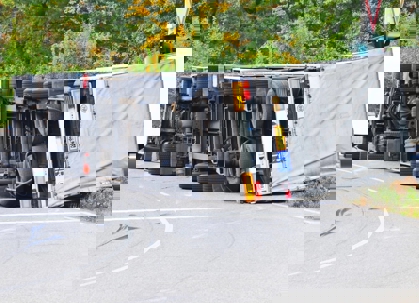
Corporate mergers in the trucking industry can create significant ripple effects in how accident liability is assigned. According to a truck accident lawyer, when two transportation companies combine, legal responsibility for crashes may shift in unexpected ways. This can impact how victims pursue claims and which parties are financially responsible after a collision.
Why Corporate Structure Matters After A Merger
A trucking company merger might involve one entity acquiring another or the formation of a new joint company. In either case, liability does not automatically disappear. If the predecessor company had outstanding claims or unresolved safety violations, the new or acquiring company could become responsible for those obligations. Courts frequently look at the substance of a merger rather than its form. If the resulting company retains the same branding, vehicles, drivers, or operational structure, it may be seen as a continuation of the original business and therefore liable.
In some instances, companies attempt to use mergers as a strategy to limit liability exposure. However, this tactic does not always hold up in court. Judges can apply legal doctrines such as successor liability or de facto merger to bypass technical ownership changes and hold the correct parties accountable. This is why it is important to work with a knowledgeable attorney who can work through these issues.
What Happens To Pre-Existing Claims
When a crash occurs shortly before or after a merger, it’s not always clear who should be named in a lawsuit. If a victim sues the original company, and it no longer exists legally, that can complicate matters. But if the new company is deemed a legal successor, the claim can often proceed. Plaintiffs may need to amend filings or include both entities until the court determines responsibility.
As our friends at Palmintier Law Group can share, claimants often face hurdles when companies merge mid-investigation. The acquiring company might deny knowledge of the event, delay the production of records, or claim insufficient documentation was transferred. This can delay proceedings or weaken the plaintiff’s position unless legal steps are taken quickly to preserve evidence.
The Midcase Impact On Ongoing Litigation
If a merger happens while a case is already in progress, courts typically allow the substitution or addition of the new party. However, defense tactics may shift. The successor company might introduce new legal teams, request extended deadlines, or seek to reframe the narrative to minimize its exposure. This can be especially disruptive in complex cases involving multiple injured parties or overlapping insurance coverage.
There’s also the issue of insurance policies. If the original company’s coverage is no longer valid or insufficient, victims may need to explore additional avenues for compensation. That could include excess liability policies, umbrella coverage, or assets of the acquiring company. Your legal team can advise you of what to do should this happen.
Complications Around Evidence And Documentation
In the aftermath of a merger, key evidence may be lost or hard to obtain. Driver logs, maintenance records, and internal safety audits might not survive a transition or they may be absorbed into new systems with limited access. If the acquiring company fails to preserve these materials, claimants may face additional burdens proving negligence or regulatory violations.
Plaintiffs may also need to prove that the merged company had a duty to maintain those records. Regulatory agencies, such as the Federal Motor Carrier Safety Administration (FMCSA), impose certain documentation requirements that don’t vanish just because ownership changes. However, compliance with those rules varies widely and may require legal pressure to enforce.
When To Involve A Lawyer
Given the added difficulty, victims are encouraged to chat with a personal injury lawyer early in the process. A lawyer can trace the ownership timeline, request vital records before they’re lost, and determine which legal theories apply to hold the correct party accountable. They can also evaluate whether additional defendants such as parent companies, affiliates, or third-party contractors should be added to the claim.
Truck accident cases are already difficult due to federal regulations, commercial insurance carriers, and driver-specific issues. When a corporate merger enters the picture, these cases require more legal scrutiny and deeper investigation. Talk to a lawyer in your area today. Their team is ready to take on your case.
The post Trucking Company Mergers And Liability appeared first on Antezana & Antezana LLC.